
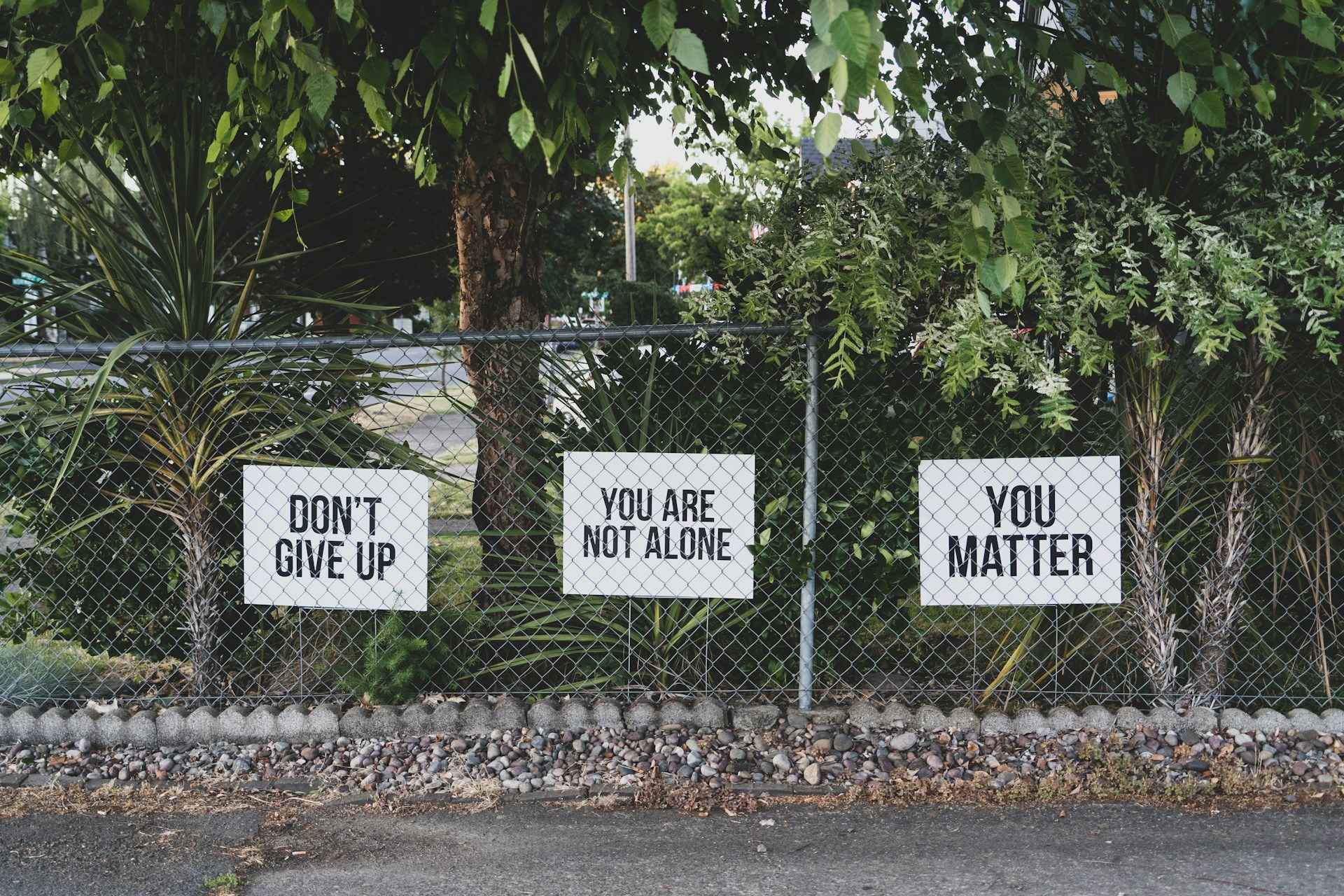
Content warning: Self-harm, suicide, neglect, abuse.
Suicide is often a complicated and tragic series of causes and effects. Often, multiple external reasons and internalized ideas lead to this tragic loss. While all walks of life suffer from this constant epidemic, those in minority groups are especially vulnerable. Each often has unique pressures and challenges that make it even harder for them to seek help. These pressures often result in a sense of hopelessness and lack of support.
This article looks at how the extra stresses associated with being a minority make it even harder to prevent suicide. It will use women and the LGBTQIA2S+ community as main examples. It also shares useful resources and tips for anyone dealing with suicidal ideation, and advice for their friends and family.
Internal and external pressures for suicide
One of the more well-known factors in suicidal action is the mental conditions and personal struggles of the individual. Many suicide victims commonly suffered from symptoms like depression, anxiety, feelings of worthlessness, guilt, feeling like a burden on others, and an inability to escape their situation. One factor that LGBTQIA2S+ people and women (as well as other unempowered groups) uniquely face is what’s known as minority stress. Minority stress is how an unempowered person’s declining physical and mental health results from the compounding societal and social pressures targeted at them.
Suicide rarely happens from a solely internal place. Suicide attempts often have some link to external causes and pressures. Some of the more common reasons center around environmental factors and societal experiences. Financial instability, social ridicule, social rejection, familial rejection, a history of abuse or trauma, and other similar experiences can contribute heavily to suicidal ideation.
Internal and external pressures often feed into each other in a negative feedback loop. This compounding effect speeds up decaying physical and mental states.
LGBTQIA2S+ minority stress
Many young LGBTQIA2S+ people face pushback from their parents, even being encouraged to “change back” to how their family perceived them before they came out. They experience arbitrary vitriol that society at large imposes on those who don’t “fit in”. In addition, they face the fear that many young people experience of their parents’ disapproval and the possible consequences that come after. Both of these display a lack of sympathy for the individual and their happiness and well-being. The individual likely would feel crushed between these two oppressive and seemingly unchallengeable forces. This lack of hope and support leads to much higher rates of suicidal ideation and suicide attempts. In their beaten-down state, suicide may seem like the only way of escape.
It’s been found that LGBTQIA2S+ teens have a four times higher rate of suicide than their non-LGBTQIA2S+ peers. It’s estimated that one attempt by an LGBTQIA2S+ teen happens every 45 seconds. Those in unsupportive communities are three times as likely to commit suicide as those with community support.
Women minority stress
One minority stress for women is the dynamic of hyper-visibility vs. erasure. Like many minorities, women are often put up against contradictory standards and expectations that demand they both be seen, but not show themselves too much. Women tend to be gridlocked by society into a duality of purity versus sexuality. It unfairly forces them to make this careful balance between the two. If they lean too much in one direction or the other, society will categorize them as one of two extremes. Either they’re portrayed as sex-obsessed and trashy or sex-avoidant and egotistically ice cold. Even if they somehow maintain this sense of balance, society will try its hardest to put them into one of those two categories anyway.
This dualistic nature society imposes on women creates a similarly crushing effect. Like LGBTQIA2S+ youth, many women often experience a lack of sympathy or an illusion of incapability. This lack of choice and support, once again, may lead some to the dreadful conclusion of escaping through death. Women have a significantly higher rate of suicide than men. While the suicide rate for both has risen over the years, the rate for women has risen at a higher degree.
How to address minority stress
Minority stress may initially seem insurmountable and intimidating. But like with all larger conflicts, the best solution is not a singular, all-encompassing idea or action. Many smaller actions and steps can come together to form a cooperative effort.
Dallas Rainbow Counseling has an excellent guide on strategies to counter minority stress. Their strategies were designed for LGBTQIA2S+ individuals specifically. The same principles and guidelines, however, work excellently for any member of a minority group. They separate the strategy types into two major groups: Core Grounding and Mindset & Professional Support.
Core grounding strategies
Building connections within a community of supportive and affirmative people is a great first step. The community’s size is unimportant. Even a connection with only one other person is a gigantic boost to your mental health. Volunteering, mentoring, and other ways of giving back to said community can also be beneficial for your mental health. It helps to build a stronger bond between you and that community’s members. It can also give a stronger sense of confidence in resisting minority stresses. This increase in support creates a greater sense of hope, and that escape is possible without tragic loss.
Exercises in relaxation and calming your mind are also incredibly helpful. Deep breaths, stretching, a calm walk, journaling, and expressive writing help you to gain a sense of introspective peace. They help reinforce an environment of safety and train your nervous system to be less hair-trigger.
Partaking in affirmative media and life stories centered around your specific minority deconstructs any internalized negativity. Stories that mirror your experience or expand your knowledge help to stabilize your mental health and develop a sense of community. Stories that you simply like also support your mental health. As simple as it may be, a positive experience from watching a fun or engaging TV show or movie is still greatly beneficial.
Mindset & professional support strategies
Reframing negative thoughts
Reframing negative thoughts and ideas around your life situation can be beneficial to finding fruitful solutions. The goal isn’t to pretend that everything is okay. Just pushing away the negative feelings is only going to make them stronger. The goal is to help you challenge the preconceptions and mental attitudes that keep you feeling trapped. Essentially, you are trying to find a silver lining that can help you look for restorative routes of escape and change. This can help you regain a sense of control over your life, at least in some smaller areas.
Boundaries
Boundaries are something that society treats as rude at times, but they are vitally necessary. Establishing a separation between yourself and the conversations or people that drain you mentally is paramount. This further grants you control over yourself in your life, and helps to put more value on that life. It cements the mentality that you are worth protecting.
Therapy
Therapy and other professional mental support are great tools to help you understand your situation. They can help with both internal discovery and external awareness. You don’t just want somebody who politely listens to what you have to say. You want somebody who can help you with navigating through your problems compassionately. Mental health professionals highly encourage and recommend therapy for those who are more heavily considering suicide. They should not just use it as a reactive measure but also as a proactive measure. Please do not feel a sense of judgment or fear of stigmatization for seeking therapy. Therapists are there for you and should never be judgmental of you or your situation. If you do feel uncomfortable with your therapist, looking into other therapists is recommended. Finding ones that have experience with your personal minority group is also highly encouraged.
Resources for those struggling with suicide ideation, and their friends and family
Youthline offers a variety of direct contact to suicide prevention support lines. They offer call, text, email, and direct chat options. While they are mandatory reporters of abuse and neglect, your conversations won’t be made public or shared with anyone.
The CDC hosts a cornucopia of resources for help, research, literature, and tools for both those dealing with suicide ideation and their friends and family. They have many guides and strategies on how to safely and properly intervene in a suicide attempt. Many tools and communities to help improve and shape their attitudes and programs for suicide prevention are also present. This website has many great resources for those wanting to know how they can become a better ally and support for those ideating suicide.
Closing thoughts
While minority stress is often only one of the many reasons a person may commit suicide, it is a vitally important reason. Understanding how they occur and the effects they have on people within a minority are greatly beneficial. It helps the person in question gain greater insight into how to escape ideation. It also helps their loved ones understand their experience better and helps them know the best methods of support.
While seeking help may initially seem difficult and potentially frightening, reaching out often helps that person to see other solutions and plans out of their situation that don’t end in tragic loss for both them and the ones they love. A sense of hopelessness and lack of support are the biggest causes of suicidal ideation. Those in minority groups are even more likely to experience these two feelings. It is important to be mindful of this and to develop measures and communities to help counteract it.
Check Out:
3 Major Women’s Health Risks, and What Everyone Should Know About Them










Be First to Comment