
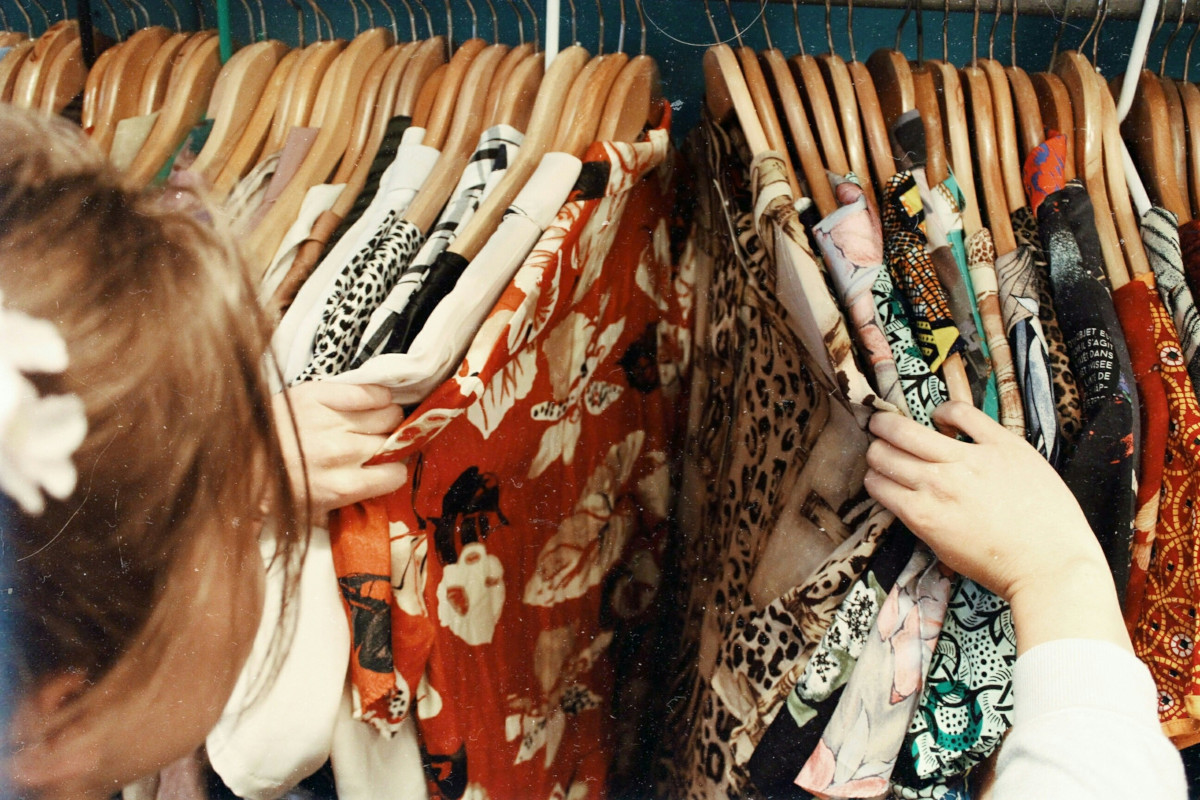
Seems a little hard to believe, right? A trend that is meant to encourage living sustainably and prevent overconsumption may do the opposite in some cases.
Recent research has suggested that it could go both ways. An article from ScienceDirect that studied a method of decluttering mentioned that “decluttering and reducing possessions can either inspire a shift towards reduced consumption or lead to increased consumption by making room for new purchases,” based on their findings. Similar concerns have been brought up on the r/Anticonsumption subreddit. One redditor, Ok_Pollution9335, mentioned how they were concerned about the trend becoming big on social media because of how people might get rid of stuff to participate in the trend only to replace it all later.
Even though this trend has done a lot of good in promoting sustainable lifestyles, these are valid concerns. But when I’m watching the occasional decluttering or closet clean out video, I’m not thinking about whether the creators are following through or not. I think about why this trend seems like it’s constantly popping back up. It’s actually the most interesting part of this.
So, we’ll start with some history first, because this hasn’t been a short trend.
Some background
Decluttering and organizing as we know it today started in the 1970s with Stephanie Winston’s manual “Getting Organized: The Easy Way to Put Your Life in Order” according to an article in Smithsonian Magazine. With the significant rise of consumerism by middle class families during this time, her manual became extremely popular in American households. It led to the formation of NAPO (National Association of Productivity and Organizing), and a significant growth in the organizing industry.
In the 2000’s, TV shows like Hoarders (2009-2024), TLC’s Clean Sweep (2003-2005), and Mission: Organization (2003-2007) amplified the art of professional organizing, cleaning, and decluttering to a broader audience. Then Marie Kondo’s book “The Life Changing Magic of Tidying up: The Japanese Art of Organizing and Decluttering” gained international success in the early 2010s. This, combined with the minimalism trend going on at the time, further pushed the slow rise in popularity of decluttering. By 2020, decluttering was at an all-time high, fueled by social media and being stuck at home with nothing to do.
For those who didn’t participate, there were some thrift stores that would only accept two bags of donations at a time once they reopened.
After the pandemic, the decluttering slowed but has since resurfaced again, with many creators jumping on the bandwagon of starting a closet cleanout or house decluttering series. Suddenly another generation is discovering minimalism, a technique called Swedish Death Cleaning and coming to the realization that they have too many possessions.
So, here we are fifty years later and stuck in an endless cycle. And what is that cycle? Glad you asked.
The cycle: buying, decluttering, and buying again
Some people find themselves searching for the new trending styles. Others have simply grown out of their wardrobe and are in need of clothes that fit their changed bodies or new style. For me, it was a few years ago when I cleared my teenage closet of v-neck cut shirts, leggings, extremely high waisted jeans, and Tumblr-esque fashion choices that were trending from around 2015 to 2019.
In these instances, people are decluttering just to replace the items they got rid of.
Thus, the cycle.
One of the main reasons people declutter according to an article from ScienceDirect, is the overwhelming feeling of owning too many things. This reason typically leads to more success in achieving a true decluttered space, but it’s still easy to fall into the cycle of buying, decluttering, and rebuying when the underlying issue of consuming too much isn’t dealt with.
That’s because it’s easy to feel overwhelmed by your space, then experience the surge in dopamine after cleaning it only for the space to fill up again a few months later. It’s annoying when that happens, right? Well, it’s because of the misconception that decluttering is just the act of getting rid of things when it’s not. Leading me to the next point.
Decluttering is not just getting rid of things
Decluttering can be difficult, but what’s more difficult is the not-so-secret second step people forget to do after decluttering. Preventing clutter from accumulating again.
To break the cycle of overconsumption, people have to understand why they are overconsuming. Whether it’s for keeping up with trendy styles or continuous shopping without an intention behind it, we need to address the underlying cause.
A blog called More Time Less Worry wrote about decluttering feeling like a never-ending task, citing both consumer and for-profit culture, and the difficulty of changing behavior as reasons why we are missing this second step. We are used to the constant advertisements and the glamor of having the latest thing. But we forget how overwhelming having too much is while making the next impulse purchase. It’s the mindfulness we’re missing.
The author of the blog mentioned above noted that “clutter prevention involves a lot of tiny decisions that are happening every time you’re considering bringing something new to your home.” Which explains why it’s so difficult. Habits are hard to break, especially when it’s the way people have functioned for the last half a century.
Final thoughts
While decluttering has the potential to combat overconsumption, there are extra steps after the decluttering that people need to take if the consumer behavior is going to change. It mostly depends on what your intentions are. If it’s to stop consuming so much or because of how overwhelming the clutter gets, the behavior change might be the answer then.
Check out:








Be First to Comment