
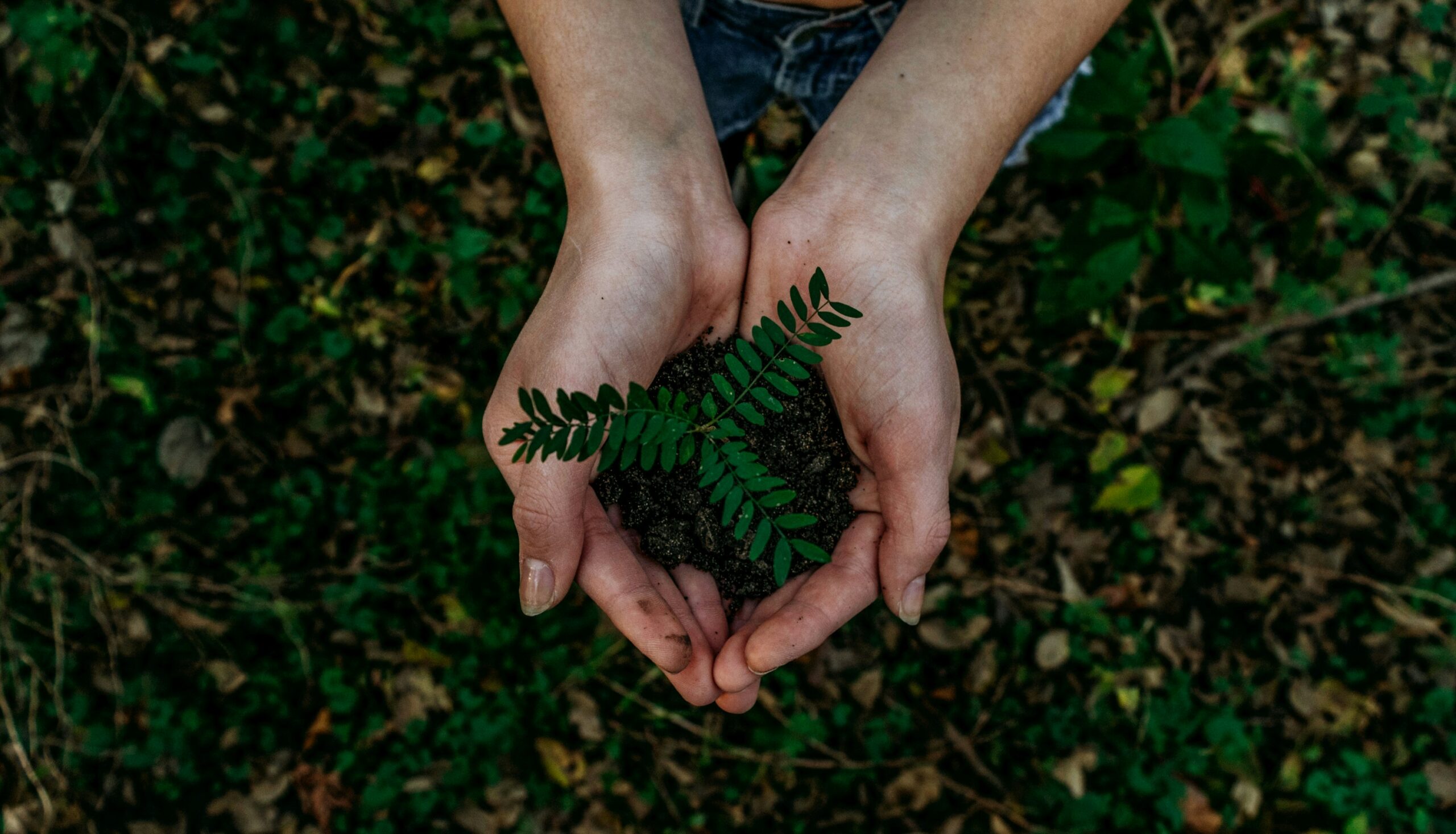
April 22nd was Earth Day, which means there is no better time to examine one of the biggest threats being posed to our environment as of today: Artificial Intelligence (also known as “AI”).
AI’s growing popularity in recent years has revolutionized many daily processes. This includes how academic institutions regulate their students, how to review job applications, and how to present advertisements. But, amongst these easily recognized points of praise, we are overlooking true dangers. This article will serve as a reminder of these concerns and provide alternative and eco-friendly resources.
AI media attention
In recent months, the specific environmental harms that result from AI development and usage have received more media attention. This has allowed creations like your ai slop bores me to gain positive attention for its anti-AI stance and design. Despite the comedic enjoyment and praise of efforts like this website, though, many people continue to rely on AI. Last summer Vice reported that ChatGPT 2.5 regularly received 2.5 billion prompts each day, further highlighting the widespread usage.
But what are the actual harms? From a user perspective, it’s hard to feel the repercussions of a digital application. It’s only after conducting research that these damages become apparent.
Concerns about electricity consumption
Electricity consumption is often cited as one of the scariest threats of AI, particularly with how its consumption amount is substantially larger compared to “regular” internet use. For example, a single prompt sent to ChatGPT consumes around five times as much electricity as a standard Google search. Following this extreme level of electricity use, carbon dioxide emissions also increase. Indeed, one of the most appealing capabilities of AI applications and chatbots is how they can analyze and condense large amounts of data and serve it back to us in a more digestible, easily or quickly read format. However, data storage then comes into play, which is where energy consumption steadily increases.
Chatbots are a huge culprit of energy and electricity usage. They are often integrated with systems that require continuous processing, and are overall one of the more popular applications of AI. Think of all the different places you may have run into one. An online website when trying to complete a return, within social media platforms, and even within your own email. Chatbots rely on advanced technologies, such as deep machine learning, which demand more computing resources and overall contribute to higher energy consumption.
The amount of water usage
In addition to electricity consumption, the horrific amount of water AI development and operation uses is a great concern. Since data centers are using extreme amounts of electricity, water effectively cools them down. As I previously mentioned, these data centers are quite large, meaning the amount of water needed is also huge. The Lincoln Institute of Land Policy puts this into perspective for us. They explained that even a mid-sized data center consumes as much water as a small town. Even crazier, a larger data center uses up to 5 million gallons of water each day. This is comparable to a city of 50,000 people!
The development and operation of AI
The constant upgrading and short shelf-life is another part of AI development that further exacerbates the environmental damage inflicted. Since current AI is still in its early stages, there is constantly room for improvement within the current models. This means new models are often in development. Producing newer models involves more training, and training just one large AI model can require the same amount of energy as an entire household would need to last decades.
It’s important to remember that a lot of the equipment and hardware AI is built upon is not new. This includes data and computing centers, GPUs and CPUs. It is instead the sheer volume of information that AI is trained under and processes that causes widespread environmental harm. Thus, one of the reasons the threat of AI is so severe is because of how fast advancement is occurring. Additionally, how difficult it is for experts to “catch up” and mitigate these issues or create reliable solutions. It is important we have discussions surrounding the ways we can make more eco-friendly digital decisions on an individual level.
Quick fixes
These are some scary statistics, right? It may seem there is little you can do to offset these intense harms. Yet, this is precisely the mindset that keeps us from seeing meaningful change. There are many positive habits you can adopt, and there are many different ways you can encourage those you know to follow in your footsteps.
One of the easiest steps you can take is to opt out of AI training and turn off AI tools. While it’s likely that current AI models have already used your public and private data, it is still beneficial in the long run to make that change now. This article from Wired tells you exactly how to opt out of training for a number of websites or applications. Some featured include Adobe, Amazon and Google. Many applications may automatically incorporate AI features into your user experience. However, you can take similar steps to reverse this and turn them off. This article from Consumer Reports 90 helps locate which specific settings for turning off AI features.
Broader, important changes
Aside from simply turning away from AI features, it’s important to remind ourselves that AI is largely not a necessity. There are so many ways we can prevail over it. In fact, novelty is one of the biggest gaps in AI capabilities that we often overlook. The foundation of AI’s development is the very information we (as humans) have put out into the world digitally. AI cannot form new, original thoughts or ideas. This is the leverage you hold over AI in maintaining your humanity, a humanity that is innately creative, innovative, and expressive. Learn from the people who came before you, instead of relying on a tool that will regurgitate it incorrectly.
Relearn the value in true research. Take the time to think of different approaches, process the frustration that comes with encountering hard-to-locate sources. Give yourself the space to brainstorm about the topics that compel you most. In recent years, many surveys have found that our media literacy rate is at an all time low, and the proliferation of AI writing and media is only worsening this distrust and confusion.
It is more important than ever that you develop critical thinking skills, and meaningfully analyze and interrogate the media and content you consume. This may mean you track down the sourcing of a specific post (who is the real author?). Or perhaps you inspect an image for longer (does this person have realistic features?). But this allows you to not only maintain a sense of individuality, but also form real, impactful opinions about the media climate that surrounds you.
We cannot forget about community
Another important quality of humanity is the community we can facilitate and flourish within. As we dive deeper into our digital age, we find ourselves more isolated, divisive and lonely. The superficial digital “connections” that occur on social media websites are not altogether meaningless. Followers, likes and other functions can provide positive reactions. But they are incomparable to the genuine connections that form when we take the time to interact with our community. Furthermore, in the face of AI, your community can help you in those moments where you might be stuck amidst research, or when you can’t tell if the media you’re engaging with is AI generated. There is value in having these conversations with one another, and creating the opportunity for your community bonds to strengthen. Not to mention—you never know what you can learn from someone!
My admittance
In compiling this list, though, I must be realistic. I’m not asking you to completely abandon digital convenience. Rather, I’m encouraging you to remain mindful of how you interact with digital tools and, by extension, the very world you live within and rely upon for your basic necessities. There are ways for you to enjoy the efficiencies of AI without incurring such harsh damages. You can research which AI models are practicing more eco-friendly processes and operations. And, you can learn how to better help our environment.
Cool, fun, and sustainable alternatives
In early 2025, Ecosia announced their AI search extension that provides users with commonly enjoyed features, such as an “Overviews” section that displays information at the top of the page. They also cite their sources in this convenient space, allowing you to double check their answers (and practice some of that media literacy I mentioned!). Additionally, they established their own chatbot, which they explain uses smaller models, also noting they avoid video-generation entirely since they consume more energy. Not only are they focused on lessening the threats placed upon the environment, but they have affirmed their commitment to taking it one step further and helping the environment. On the previously linked site, they boast how they generate more renewable energy than their AI tools use, and reference their €18M investment into renewable energy projects.
Another appealing alternative is Viro AI, an AI app introduced in late 2025 with a focus on mitigating the typical environmental harms associated with AI chatbots like ChatGPT, Gemini, and Claude. Its biggest “selling” point (Viro AI is free, unless you would like to pay the $1/month Premium option) is that it allows you to use the chatbots you have already grown accustomed to enjoying, but it makes your usage less detrimental to the environment. On its website, it explains that each message you send through them effectively helps fund verified wind, solar, and storage projects.
There’s more out there—go find it!
These are just two examples of the many environmentally friendly efforts that exist out there for you to explore, find, and help raise awareness about. In the past few years specifically, the rapid advancement of AI has been a testament to its importance in our near-future; as far as we can tell, it’s here to stay. We are at a crucial point in time where taking those extra moments and effort to better invest in our environmental future and well-being—in addition to our own skills in media literacy and critical thinking—are paramount.
Happy belated Earth Day and consider implementing some of these habit changes!
Check out:
Why ‘Heated Rivalry’ is the Show We Need in 2026
The 90’s Called, and They Want YOU Back: 4 Benefits of Living an Analog Lifestyle











Be First to Comment