
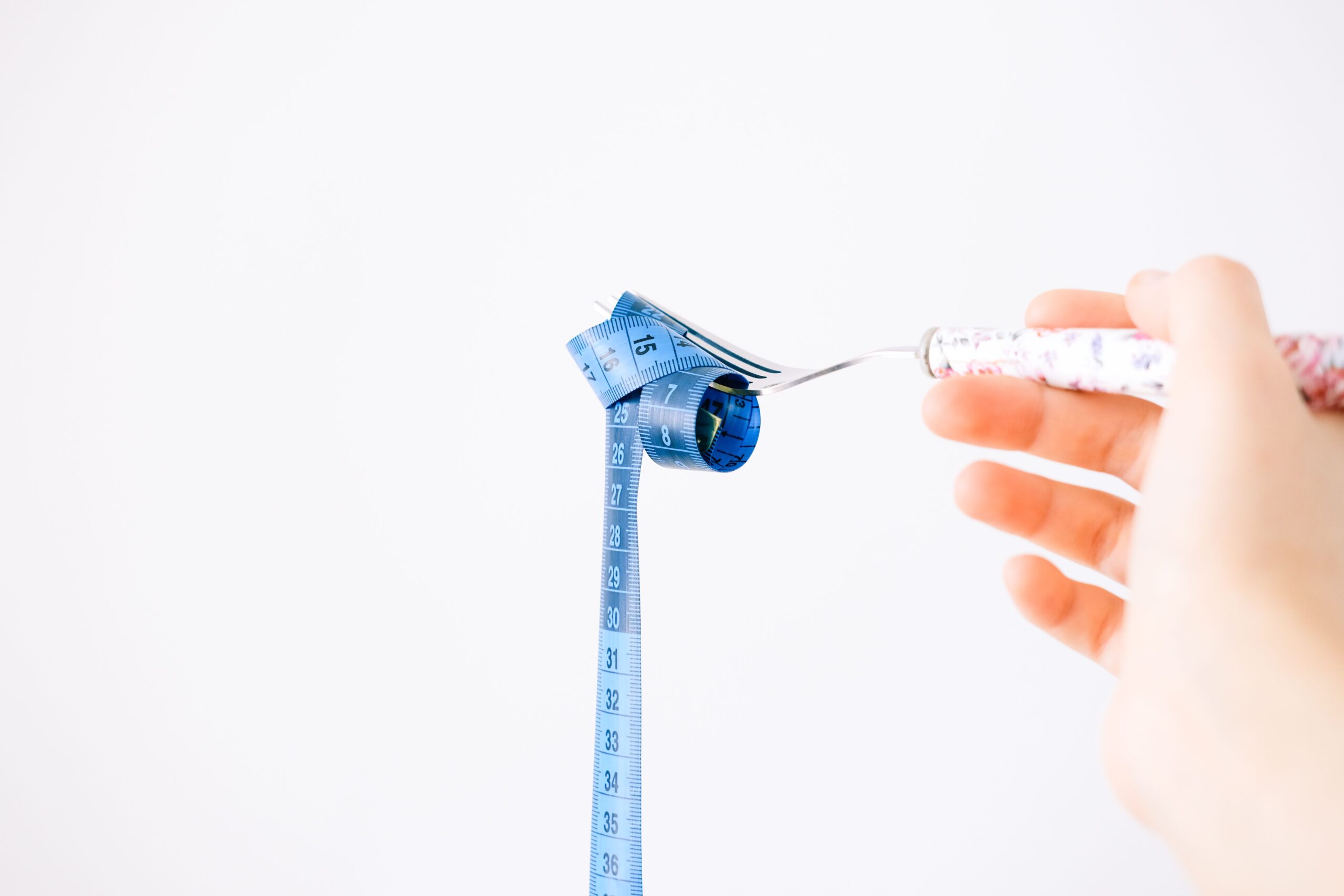
Content warning: This article describes eating disorders, disordered eating behaviors, and media that depict them. If you are struggling with an eating disorder, you are not alone. Educational tools, treatment info, recovery tools, and hotline support are available at Eating Disorder Hope.
Over the past two years, the media has seen a rapid increase in glamorizing the ultra-thin body. From the rise of #SkinnyTok in 2025 to the recent controversy surrounding Ariana Grande’s “Petal” music video, there’s an undeniable recent trend of putting thinness on a pedestal.
In the late 1990s and into the 2000s, there was a 24% spike in eating disorders. Looking back, we’ve been able to recognize this time period as highly problematic, an era defined by toxic diet culture. Harmful shows like “The Biggest Loser” pushed for unrealistic, rapid weight loss. Disordered eating habits were promoted via carelessly body-shaming language in TV and films. There’s no doubt that the media plays a large role in the ways audiences internalize beliefs. Thus, with the recent resurgence of these harmful “ideals,” we must be able to recognize the damage it does. Only then can we ensure that history does not repeat itself.
#SkinnyTok: a pro-ana launch pad
#SkinnyTok was a popular corner of TikTok, especially in early 2025. Content under the hashtag featured concerning and unhealthy trends involving calorie restriction, glamorizing extreme thinness, and toxic diet culture. Concerningly, creators making #SkinnyTok content were doing so by promoting these harmful habits as positive “lifestyle,” “wellness,” and “accountability” advice. From “What-I-Eat-In-A-Day” videos featuring dangerous under-1000 calorie intakes and the vilification of carbs and fats, SkinnyTok highly resembled pro-anorexia groups.
For impressionable youth and those struggling with body image and eating disorders, the “body check” SkinnyTok trend was even more dangerous. Those partaking in the trend posed to purposefully highlight features such as overly visible bone structure and rapid weight loss. Creators paired their videos with captions to indicate that their videos were “Thinspo” and meant to motivate weight loss. Such captions featured damaging, pro-ana rhetoric, most of which implied that hunger is a discipline issue. At its height, #SkinnyTok brought back the “heroin-chic” label of beauty that was popularized in the 1990s to 2000s. Aside from the obviously problematic glamorization of substance addiction, it makes light of the root issue: eating disorders.
After some time, TikTok finally banned #SkinnyTok. Today, when searching for it in the app, recovery resources for eating disorders immediately appear. However, the damage has already been done. #SkinnyTok was simply a major launching pad, because we’ve continued to see toxic diet culture spread into other social media trends as well.
The toxic positivity of “That Girl” content
The detrimental legacy of #SkinnyTok bleeds over into other corners of social media as well, including “That Girl” content. This type of content centers the “That Girl” archetype who’s completely transformed her life to have the best habits. She eats healthily 24/7, is consistently disciplined, invests in working out, etc. Social media markets her as the prototype of true feminine success.
From a distance, this type of motivation seems healthy and positive. After all, who wouldn’t want to aim to be their best self every day? However, we have to note that this type of content can easily snowball into a sense of toxic positivity. Eating is not a monolith, and a true healthy relationship with food lies in balance. Yes, we should be health conscious, but that doesn’t mean we have to deprive ourselves completely of the unhealthy foods that bring us joy. Yet, ‘That Girl’ content insinuates that every meal must be 100% healthy in order to avoid failure. The content shares with #SkinnyTok the toxic dynamic of framing cravings as a discipline issue. Moreover, it’s known for being overly restrictive with food and unhealthily obsessive body tracking.
Furthermore, the content spreads misinformed health advice. One core example includes that drinking lemon water every morning helps to burn fat, detox the body, and balance pH. In reality, adding lemon juice to water in itself does not boost metabolism or burn fat. The liver and kidneys are entirely responsible for toxin removal. Blood pH cannot be changed by anything we ingest. These myths mainly propagate a fear of weight gain. Such fear is widely recognized as a cornerstone symptom of eating disorders such as anorexia nervosa as well as bulimia.
Ariana Grande’s “Petal” music video
Recently, Ariana Grande released the music video for her song, “Petal”. The video’s premise involves standing up to her critics, especially those criticizing her appearance. The video depicts an audition, in which judges evaluate Grande as a candidate. In the video, she wears various outfits that highlight her protruding bones, including her sternum, ribs, and collarbones. She often also poses in ways that show it off. In one scene, the “critics” write down in a comment sheet that she should lose more weight.
These moments have led to fans of the singer being genuinely afraid for her life. She has since decided to take a break from the public eye in the midst of the “Petal” controversy. We should acknowledge that attempting to diagnose celebrities from afar can lead to harmful labelling that’s counterproductive to the individual in question. This is especially true if one does not have the qualifications to make such a diagnosis. Yet, we should definitely be able to hold a discussion on the impact that Grande’s video may have on vulnerable viewers who may be struggling with their own body image. When an already ultra-thin celebrity portrays a scene in which someone recommends further weight loss, it seems in poor taste.
However, what’s most disturbing about the ordeal is that none of the higher-ups in charge of the music video release seemed to take issue with the questionable fashion choices and tone of the video. It leads one to question: is anyone close to her worried for her health, both physical and mental? This situation serves as an example of when we should ask how we can distinguish genuine support from exploitation.
The pressure to conform
Constant exposure to social media trends, music, and public figures who glamorize the ultra-thin body leads to a societal pressure to conform to it. We seem to have gone from a more body-positive era to one that puts restriction and skinny-ness as the ultimate standards of health and beauty. In these times, it becomes crucial to pinpoint the dangers that this can pose in terms of increasing poor body image, eating disorders, and even death in the worst cases. When eating disorders have the second highest mortality rate of any psychiatric illness, we bear the responsibility to call out harmful media and messaging.
Food is nourishment, energy, and sustenance. More than that, food is a love language. The act of feeding oneself is one of the truest acts of self-love one can partake in. These days, society places extreme thinness on a pedestal, making it easy for impressionable viewers to see food as an enemy. The simple truth is this: nobody deserves to feel pressure or fear surrounding eating. Hence, by calling out the way modern media panders to these pressures and fears, we may better support the physical and mental nourishment of our peers.
Check out:
Your Grandma’s Hidden Cupboard Science: The Remedies She Keeps (and Why They Still Work)









Be First to Comment