
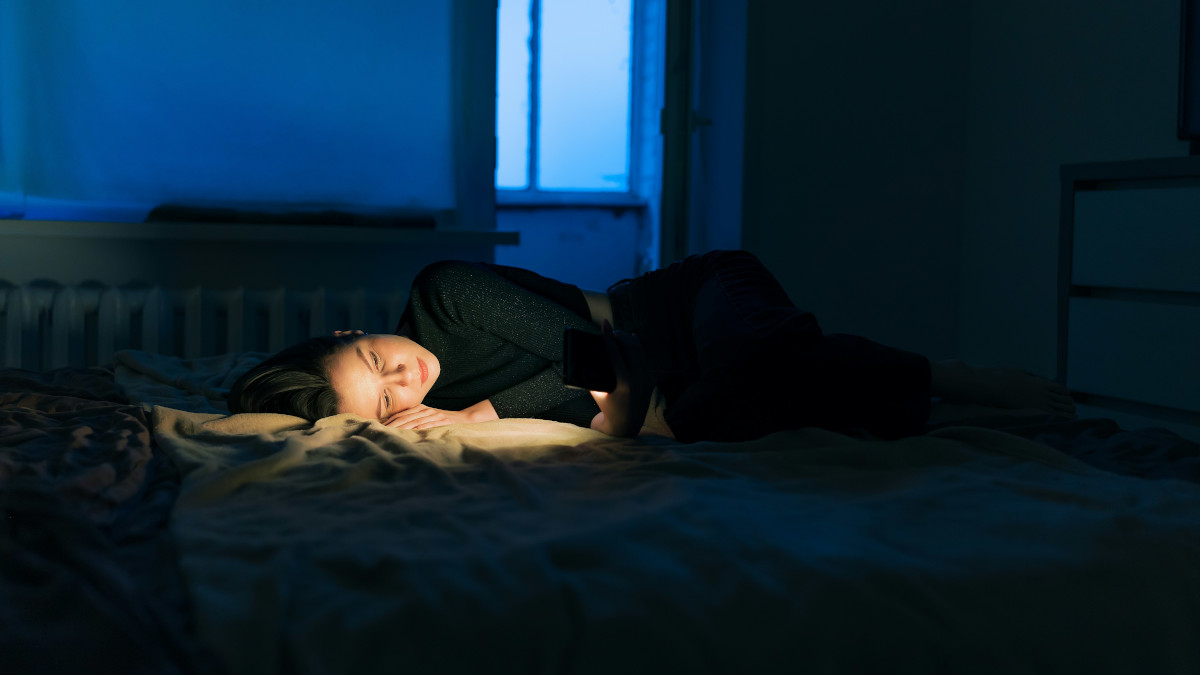
Sleep deprivation is one of the silent killers in terms of women’s mental and physical health. While it may only seem like an annoyance, it’s actually a very serious issue that may not be getting enough attention. It’s often caused by several factors that feed into and overlap with one another. Looking at all the individual potential causes for sleep deprivation helps to both lay out truly complex reasons why women suffer from it and why the condition is even worse for women.
Why is sleep harder for women?
Women are 40% more likely to suffer from insomnia than men. This drastic increase is even more harrowing with the passage of time. As women get older, the likelihood jumps up to a staggering 70%. The main reason for this disparity, and its increased likelihood with age, appears to be menopause. Hot flashes are one of the most common symptoms of menopause, and make a person more likely to toss and turn in their sleep. Heat disrupting a person’s sleep can happen to anyone. But the heightened likelihood in women signals a necessary extra consideration for women’s sleep health.
Related sleep conditions
Some causes behind the increased sleep deprivation in women are, in themselves, caused by many factors specific to women’s biology. They act as a middle piece in a medical chain of dominoes. Many of them also tend to come packaged together, exponentially heightening the loss of truly restful sleep.
Restless leg syndrome (RLS)
Restless Leg Syndrome (RLS), for instance, is twice as likely to occur in women. The condition involves an increased likelihood of discomfort felt in a person’s legs at night. The person will often feel a subconscious urge to move their legs around in order to disrupt the discomfort. However, this is also disruptive to the person’s overall sleep quality and much more likely to cause them to wake up. The direct cause of RLS is currently unknown, but it’s thought that the flow of dopamine through the body may have something to do with it. RLS has a genetic component, as it’s more likely to occur in someone whose family has a previous history of it.
Premenstrual syndrome (PMS)
Premenstrual syndrome is a medical condition that some women experience before they menstruate. There’s a slew of symptoms, including mood swings, fatigue, food cravings, and pain in the abdomen. Its effect on sleep is a multi-pronged attack. The physical discomfort and pain would obviously make sleep more difficult. In addition, fluctuations in estrogen levels cause changes in body temperature. As mentioned earlier, temperature fluctuations make the body more likely to toss and turn in sleep. Lowered levels of melatonin (the sleep hormone) make it harder for the brain to relax and engage in sleep. In total, the compounding difficulties that PMS causes for both the body and mind make trying to sleep properly with PMS a bit of an obstacle course.
Pregnancy related
Most pregnant women experience some form of sleep deprivation. The chances of pregnant women experiencing insomnia rise as the pregnancy progresses. In the first trimester, the odds are only 25%. By the end of the third trimester, the odds have risen to 80%. Pregnancy-caused insomnia also has a higher likelihood of irritability, slower reflexes, and difficulties with thinking and memory. As with PMS, estrogen fluctuations are the chemical cause behind the lack of sleep. Pregnancy also makes RLS more likely and intensifies its side effects, further compounding both of their difficulties. The weight of the growing fetus also puts pressure on the body’s organs, especially the bladder. Not only is this uncomfortable, but it also heightens the likelihood of needing to go to the bathroom in the middle of sleeping.
Depression: both a symptom and a condition
Depression, anxiety, and sleep deprivation feed into each other heavily. A lack of sleep can make developing depression exponentially more likely. Conversely, depression can cause difficulties in feeling comfortable and restful, making it harder to sleep. Both conditions create a slippery slope effect with each other, making it harder and harder to get out of both. Roughly 25% of women in the US report suffering from depression. Many of the previously mentioned conditions (RLS, PMS, Pregnancy) are often cited as common causes for depression in women.
However, many societal factors are also cited as major reasons. Women have to balance dealing with these conditions and symptoms alongside the average stresses and conflicts that everyone else faces daily. Mothers also often have to balance their maternal responsibilities on top of all that. Women in a relationship are also more likely to suffer from intimate or sexual violence and poverty. Both of these factors pile yet more weight onto a woman, making burnout and depression much more likely.
The total damage
All of these factors combined paint a striking image of just how many difficulties women face in getting truly restful sleep. The fact that multiple of these conditions can overlap (potentially, all of them) makes this dilemma even more drastic. What’s even more concerning is that sleep deprivation can shorten women’s lifespans by about 4.5-5 years, whereas men with the condition only see about 2.5 years lost. This devastating news elevates sleep deprivation from a major annoyance to a major threat. Not only do women have to deal with multiple sources of discomfort and pain, but these same conditions also shave off valuable years from their lives.
Bettering your sleep
AASM has helpful additional information on the subject. They also host services like webinars and meetings, which are great for those looking for connection and community amongst others in the same situation.
The National Sleep Foundation offers incredibly helpful guides and products that will help in your journey to improved sleep.
The FDA has a few articles focused on women’s sleep. They offer tips to combat the issue and recommendations on what kind of medications might be helpful to consider. Before considering any of these, it’s best to ask a trustworthy practitioner’s advice, as they’ll have the best understanding of your current situation and genetic history.
Tying it all up
Hopefully, you’ll now have a better understanding of the complexity and seriousness of sleep deprivation in women. All this may seem a bit overwhelming, but having this greater understanding of the root causes and their larger effects on women’s lives gives us the insight we need to counteract the condition and the societal factors that intensify it. While most of the related medical conditions are not completely avoidable, measures can be taken to at least soften their impact on women. In conclusion, improvement in women’s sleep health seems to be directly tied to improved awareness and effort put into the extra care and considerations that women may need.
Check Out:
Your Grandma’s Hidden Cupboard Science: The Remedies She Keeps (and Why They Still Work)




Be First to Comment