
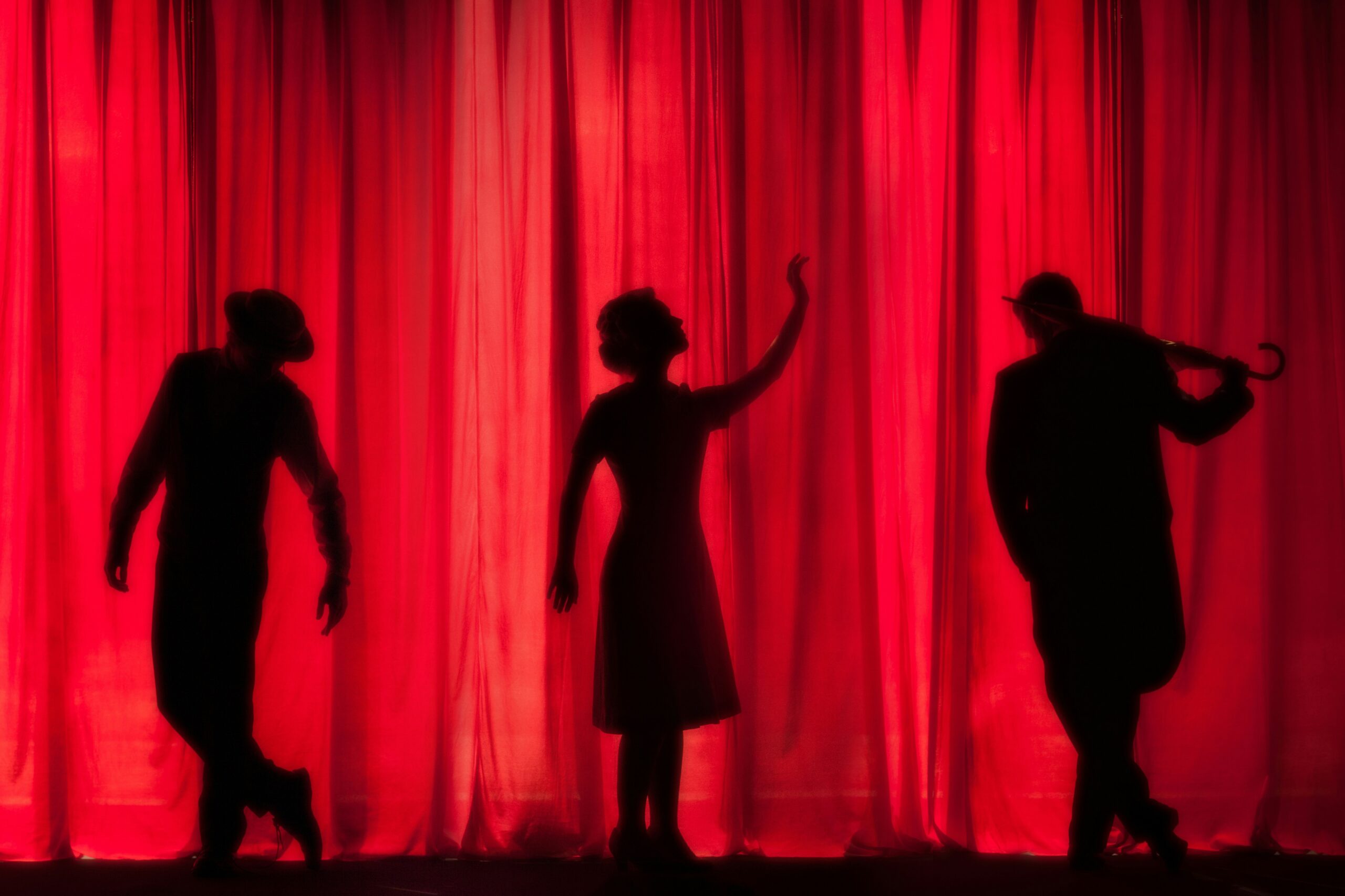
The history of queer coding
A great short article written by Elizabeth Duarte of Medium defines ‘queer coding’ as the use of certain identifiable cues and subtext given to a certain character, or group of characters, within a piece of media. This is done to imply a queer identity for the character(s) without explicitly stating it or showing it within the work itself.
In its infancy, queer coding was invented as a technique by filmmakers of the 1930s to get around the Hays Code: a rigid set of rules imposed upon the film industry. It excluded many topics and actions considered indecent at the time, including but not limited to any sort of homosexual or otherwise non-heterosexual romance. Even the presence of openly non-heterosexual characters was not allowed.
While the Hays Code died in 1968, the societal pressures and political viewpoints that created the obsolete code still exist.
Are there positives to queer coding?
Queer coding can be a great tool for writers to incorporate queer representation in situations where explicit depictions may be dangerous. In societies where queer people and activity are frowned upon by a powerful majority, this is especially true. In an article written by Brianna Benozich of Movie Jawn, she describes how, in Lilo and Stitch, the character of Pleakley often dresses in women’s clothing. Initially, this is used for the purpose of disguising his alien origins, but he eventually grows a sense of enjoyment for dressing this way. He even begins inventing characters behind each disguise that he takes delight in portraying. Where most examples of this in movies may be played off as a joke, most likely in the form of negative reactions from the other characters, no such occurrence happens in the film:
This isn’t really played off for laughs, or at least not more than films like To Wong Foo, Thanks For Everything Julie Newmar (dir. Beeban Kidron) or The Birdcage (dir. Mike Nichols) but is played off as just a regular character trait. Pleakley dressing in woman’s clothes is meant to be accepted as just a thing he enjoys which the other characters accept.
BRIANNA BENOZICH, MOVIE JAWN
For a movie targeted at children, the nonchalance given to Pleakley’s crossdressing is refreshing. Having this neutral if not positive portrayal of crossdressing in a children’s film, especially one produced by such a famous and largely influential studio such as Disney, has the potential to instill in children an idea of acceptance and normality around the topic. This acceptance could even inspire certain viewers who might discover a similar enjoyment in similar actions themselves, helping to broaden the scope of their identity.
Interestingly enough, the live-action remake for Lilo and Stitch, completely removed the cross-dressing element of Pleakley’s character. When asked about this, the director of the remake, Dean Fleischer Camp, expressed his desire to include this element and hints at a frustrating barrier:
I have had people message me, “Why is Pleakley not wearing a dress?” said Camp as he responded to comments on TikTok. “And I just want to say, I tried… I tried.”
DEAN FLEISCHER CAMP
Are there negatives to queer coding?
While the practice may seem like a great loophole, it has many severe consequences and quite a few skeletons in its closet. Britannica, in its article examining the Hays Code, describes how many of the cues and implications used in queer coding rely heavily on stereotypes and generalizations about queer individuals. Many of these stereotypes are also used in a way meant to portray the queer identity in a negative light, often used as comedic punch lines or as moral judgments against characters.
Historically, many writers who used or still use queer coding may not be doing so with queer people’s best interests in mind. Often it was used for entertainment value at the expense of the queer coded characters, and by extension, the queer community. It served as a kind of “freak show”, for the non-queer audience to either point and laugh at the queer characters, or feel disgusted by them. The treatment of the characters themselves within the work was often just as unsympathetic:
As part of the Code’s investment in advancing a traditionalist morality, many queer-coded characters were cast as villains. In the few cases when a character was openly acknowledged to be queer, they often met a violent end—a narrative trope later dubbed “bury your gays.”
BRITANNICA
Not only would this reinforce the constant pain, violence, and oppression that queer audiences were already experiencing, but it would also condition the non queer audience to react to these groups the way the movies were teaching them to. Thus, stereotypes were further ingrained and homophobic rhetoric became drip fed more and more into the subconscious.
To queer code, or not to?
In an article written by Eliza Janssen of The Scroll, she explores how the modern-day LGBTQ+ community seems more interested and excited about more openly and explicit representation, rather than feeling like they have to hide away in the shadows. They explain the feelings of frustration that the community has expressed at being portrayed as more of a background element to society, rather than an actual part of it:
Even with 2% of movies having explicit queer characters, many of them either feature them as a side character or someone whose sexuality is their whole character. The lack of accurate representation in media is detrimental to the queer community and their feelings of acceptance.
ELIZA JANSSEN, THE SCROLL
A queer-coding-centric world of representation leaves the queer audience feeling more like a novelty, a fun background detail, and an easter egg. Perhaps, with enough deeper thought and careful execution, a world where the general public do not have to actively go looking for queer people to know they exist can become a reality.
While its usefulness in the face of censorship is undeniable, maybe we can find more effective tactics for representation that don’t rely on queer coding. Solutions that involve more direct input from the queer community, and service to treat them equaly in writting with their fellow non-queer charecters, apear promissing. It was a revolutionary tactic and laid the groundwork for representation of any kind, but evolving new and better tactics to go alongside it appears paramount to the future success of improved representation of queer individuals in media.
Check Out:
The ‘New Normal’: Climate Change and Its Link to Canada’s Worst Wildfire Season





Be First to Comment