
Attention all vintage lovers and physical media collectors! If you are just getting started or are already an avid user of vintage technology, such as CRT televisions (often referred to as box tv’s), turntables, VCR’s, cassette decks, and so on and so forth, this is article is a must read. Here, I’ll go over maintenance must-knows for 5 different machines that have resurged in popularity.
So, sit back and make sure to read the entire article and check out the resources provided before jumping up and starting the repairs you didn’t know you were neglecting.
Turntable
The stylus (often referred to as a record needle) on your turntable doesn’t last forever. In fact, a stylus’s lifespan is only around 300 to 1,000 hours, depending on the shape, quality, frequency of use, and condition of records being played, according to Audio-Technica. So, if you use your turntable daily, have a plastic stylus, and dusty records, your stylus might need to be replaced sooner than someone who uses their turntable infrequently, has a diamond stylus, and clean records.
Now the question is, how do you know it needs a change? Well, since a turntable doesn’t count mileage, you’ll have to estimate based on the factors mentioned above. But there are a few signs that can indicate that you might need a replacement stat. Those are:
- Distorted, muddy, or muffled sound
- Excessive sibilance (hissing ‘S’ sound)
- Increased static or crackling
- Skipping/jumping
If you notice any of these, try cleaning first. If that doesn’t work, check your record player’s manual for the stylus size and order a replacement. For continued maintenance, vinyl lovers recommend investing in a microfiber cloth to clean the platter and the base of your turntable, and a carbon fiber brush to clean records.
Some helpful links:
CRT TV
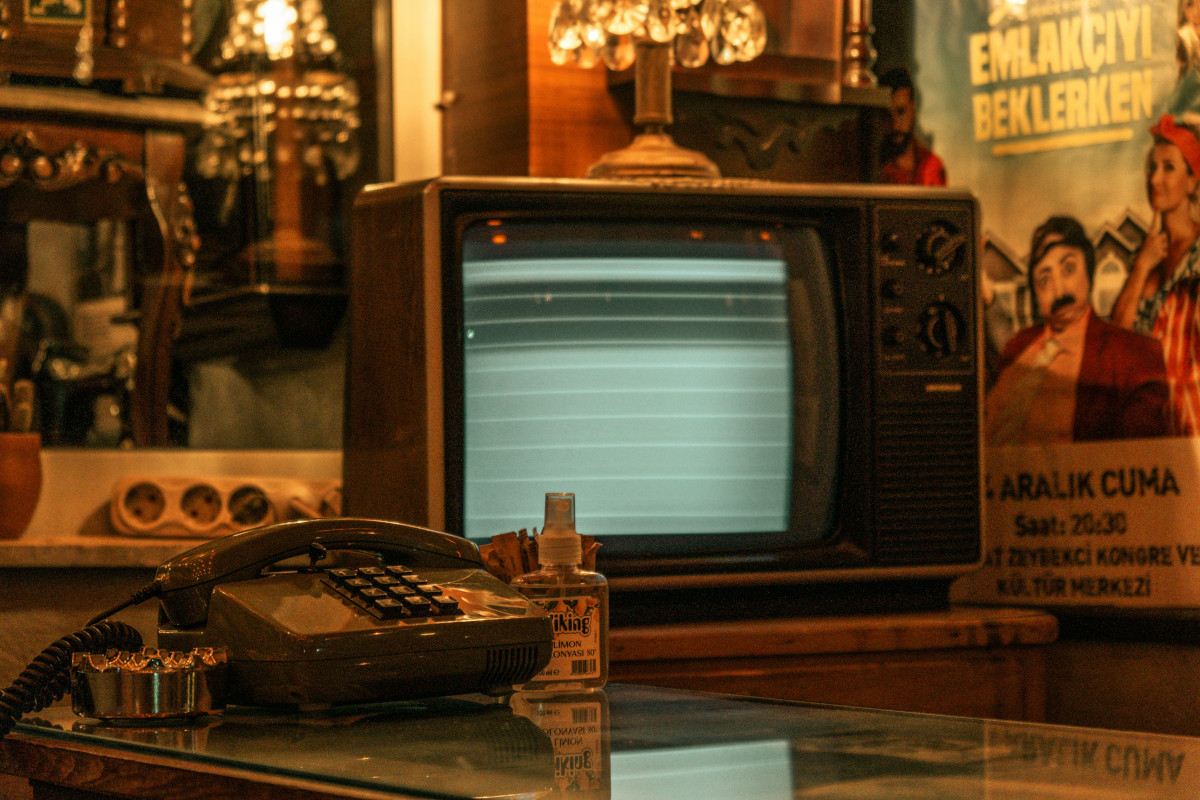
Ah, the box TV. Taking us all back to the 90s and 2000s with plug-in gaming systems and VHS tapes. Whether you found one at a thrift store or in your parents’ basement, it’s important to understand the signs it’s dying. CRT TVs have a tendency to become a hazard the older they get because they were built with components that are dangerous when broken.
Signs that require immediate attention (immediate death):
- Loud buzzing or crackling
- Burning smell/smoke
- Overheating
- Single horizontal or vertical line
These issues indicate problems with the internal capacitors, most likely due to aging. If any of these occur, it’s best to unplug the TV immediately before it catches fire. Yes, I’m being serious.
Signs that could indicate the list above is to come (impending death):
- Color issues, including pink or green tint, fading colors, or color casts
- Flickering or fuzzy picture
- Geometric issue, including bowing, stretching, or misalignment
These are some of the many minor issues that can be repaired by taking it to a repair person. Though if you can’t find one or don’t want to pay their price, tossing it and cutting your losses might be your best option.
⚠️Please do not try to repair these TVs yourself if you are not an experienced repair person. These TVs have very high voltages stored in the picture tube and its capacitors, which can cause severe electric shock when those parts are mishandled, even when the TV is unplugged from power.
It’s important to note that sometimes the immediate death of a CRT TV can be spontaneous too. It is also important to mention that the immediate death could be as simple as it turning off and never turning back on again as a result of gradual wear over the years. Unlike hamsters, they don’t all die a catastrophic death, so it’s best to only worry when it starts showing the signs listed above.
Some helpful links:
Cassette decks and VCRs
If you recognize and know the meaning behind the saying “Be Kind Rewind!” you may scroll on past this section. Don’t worry, I’d be right there with you.
Tapes are cool and can really give the vintage vibe when watching them, though they often wear out easily after many uses. Much of this is preventable by making sure they are stored properly, such as in a clean and temperature-controlled environment away from devices with strong magnetic fields and standing upright in a protective sleeve or case.
Aside from the natural wear and tear, one of the main signs that maintenance is needed is the presence of static. On cassette tapes you’ll hear it, on VHS tapes you’ll see it. This typically means the tape head on the cassette deck or the VCR head on the VCR is dirty. Enthusiasts and repair people recommend that you clean this component first with compressed air, then with cotton swabs and isopropyl alcohol. A guide with specifics for each device is linked below.
Some helpful links:
- How to Safely Store Your Old Tapes
- Cleaning VCR Heads – An In-Depth Guide
- How to Clean a Cassette Deck
Typewriters
Best for last, am I right? This is one of the last devices anyone expected to make a comeback after it went out of style, but with the rise in people detoxing from digital life it makes sense. There are only a few main problems with typewriters, most of which users can fix themselves. Those include:
- Sticky keys
- Light text
- Smudged/smearing ink
- Paper jams
Sticking keys and paper jams occur when dust and dirt or obstructions in the mechanics prevent them from working properly. Cleaning the components in that case should do the trick. Light text and smudged ink happen due to issues with the ribbon being old and needing replacement or not being held in tight enough to the mechanics.
Other issues may need a professional’s assistance. One of those includes when the carriage doesn’t move when typing because it could indicate more serious issues like a broken drawstring/drawband or mainspring. Both require disassembly to repair.
Some helpful links:
- Common Typewriter Issues with Solutions
- Essential Tips for Vintage Typewriter Repair and Maintenance
Final thoughts
For longevity’s sake, it’s important to keep up with the maintenance on these devices, especially on those that are no longer being produced since they won’t be easy to replace.
Overall, cleanliness is the most important takeaway from this article. Keeping the devices and the media we play on the devices clean will do wonders at making sure they stay in optimal working condition. So, keep those dust bunnies away! Those little suckers get everywhere.
Check out:
A Desire for Ownership: Examining the Resurgence of Physical Media in a Digital World






Be First to Comment